
A farm in Sonoma County had 27 open tractor driver positions. They posted on every job board they could find. For weeks, not a single application came in.
Then they onboarded an autonomous system, updated the job listing to say they were looking for an “ag tech operator,” and added one line to the preferred qualifications: video game experience. The applications came rolling in.
The farm labor market isn’t just short on workers; it’s short on laborers who want to do the job as it’s traditionally been defined. Redefine the job, and the pipeline changes.
Here’s what that actually looks like on the ground.
The Shift Isn’t About Fewer People. It’s About Different Work
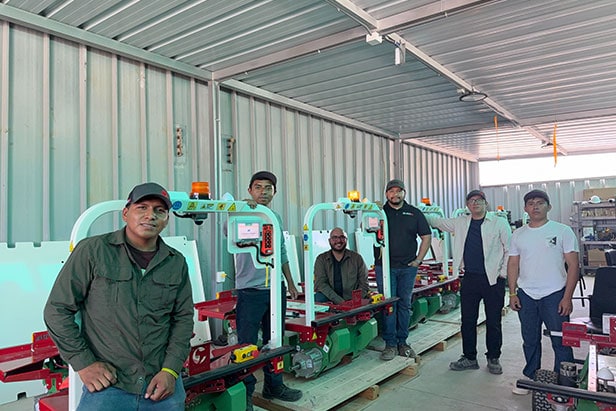
The fear around agricultural automation is understandable. When people hear “autonomous robot,” the first question is usually, “Who loses a job?” That’s not what you should be asking.
The more useful question is, “What does the job become?”
Today’s farm hands are becoming tomorrow’s fleet managers; people who oversee autonomous systems, monitor performance, and intervene when conditions change. That’s a fundamentally different role than driving a bin cart up and down a row for eight hours. It’s more skilled, less physically punishing, and more attractive to a younger, tech-comfortable workforce.
This isn’t a future scenario. It’s happening now, on farms that have already deployed autonomous systems like Burro. The job description has changed. The people filling it are different. And in many cases, operations that couldn’t hire anyone for the old job are fielding applications for the new one.
What an Autonomous Equipment Operator Actually Does
The title varies by operation. Some farms call them fleet operators, some call them tech leads, some haven’t formally renamed the role yet. But the core responsibilities are consistent.
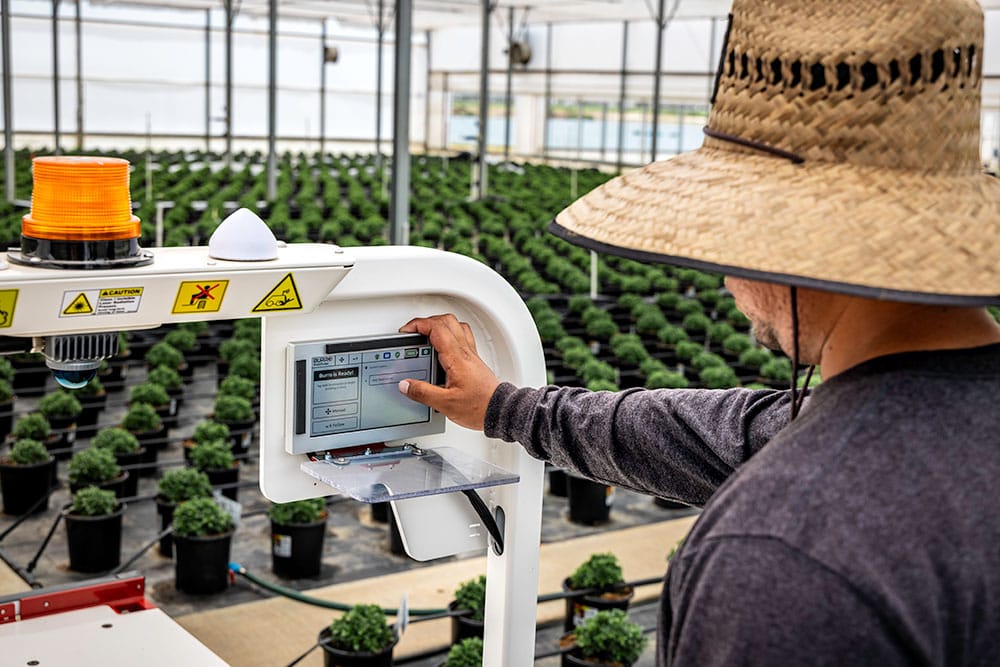
- Deployment and setup. Before a robot can work, someone has to decide where it goes, what task it runs, and how it integrates with the crew. That’s a planning function, and it requires understanding of both the technology and the operation. With Burro’s BOSS platform, operators set missions, monitor fleet status, and adjust assignments in real time from an intuitive interface; no engineering degree required.
- Monitoring and intervention. Autonomous systems don’t run unsupervised indefinitely. Operators watch for edge cases like unexpected terrain, equipment in the path, a change in crew position. They make the call to pause, redirect, or reassign. This is active, attentive work, but it’s cognitive rather than physical.
- Basic maintenance and troubleshooting. Keeping equipment running is part of every operator’s job. On the robot side, this means knowing how to identify issues, perform basic checks, and communicate clearly with support teams when something needs escalation. It’s closer to operating a piece of precision agriculture technology than maintaining a diesel engine.
- Data awareness. Autonomous systems generate information (hours run, tasks completed, areas covered, anomalies flagged, etc). Operators who understand how to read that data and feed it back into operational decisions make their entire crew more effective. This skill set is becoming one of the more valuable things a farm worker can bring to the table.
Why This Matters for Recruitment
Agriculture has a recruiting problem that goes beyond wages. The average U.S. farm operator is now over 58 years old. The next generation of workers grew up with smartphones and games and interfaces, and they have more employment options than any previous generation. The traditional farm labor job, as it’s been defined, doesn’t compete well for that talent.
The ag tech operator role does.
It offers technical skill development, real responsibility, and work that feels like it’s moving forward rather than standing still. Operations that have made this shift report their crews are actively requesting robots to work alongside them; not resisting them. That’s a retention signal as much as a recruitment one. Workers who feel like they’re operating advanced equipment rather than doing repetitive manual labor are less likely to leave at the end of the season.
What This Means for Training
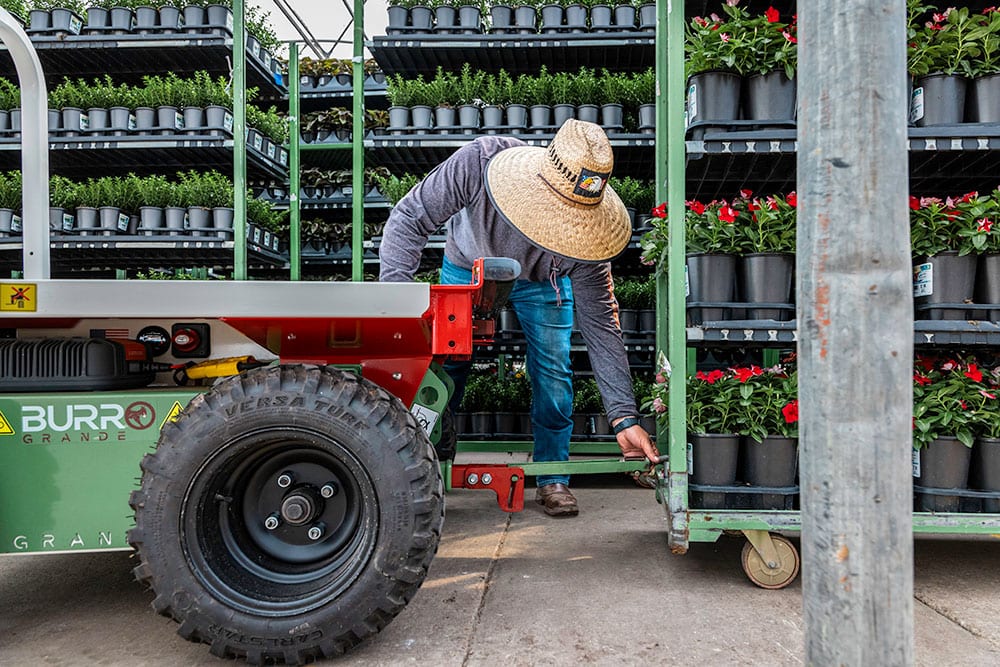
The good news is that operating autonomous farm equipment doesn’t require years of specialized training. Systems like Burro are designed to be intuitive enough that crews can be up and running quickly, with on-site support during deployment.
What does take investment is building a culture around the technology. The farms seeing the best results are the ones that involve their crew in the transition early, explain what the robots are doing and why, and treat the operator role as a skilled position worth developing, not a leftover job after the robot takes over everything interesting.
The Practical Takeaway for Growers
If you’re deploying or planning to deploy autonomous systems, the job description conversation is worth having early. A few things that make a difference:
- Rename the role. “Tractor driver” and “autonomous tractor operator” are not the same job, and the labor market responds differently to each. Titles matter for recruitment.
- Define what the operator actually owns. Give the role clear scope; fleet oversight, task planning, maintenance checks, data reporting. Workers who know what they’re responsible for do the job better and stay longer.
- Invest in the transition. The operators who get hands-on time during deployment, who understand the system before they’re expected to manage it, perform significantly better than those dropped in cold. Burro’s deployment process includes on-site training for exactly this reason.
- Treat it as a career path. The farms building the most effective autonomous operations are creating internal expertise; workers who grow into fleet management, who can train the next operator, who become the institutional knowledge the operation relies on. That’s a retention and capability advantage that compounds over time.
The farm labor shortage is real, and autonomous robotics are part of the solution. But the big picture is this: automation doesn’t just reduce the number of workers you need. It changes what those workers do, and in doing so, opens the door to a workforce that wasn’t interested in the old version of the job.
The Sonoma County farm didn’t solve its labor problem by lowering its standards. It solved it by offering a different kind of work; a vital step in the future of farm labor. That’s the opportunity in front of every operation deploying autonomous systems right now.
The job has changed. The description should too.